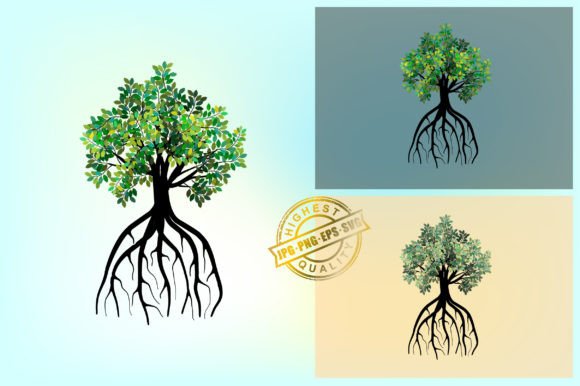
Mangrove: Graphics and Illustrations for Creative Projects
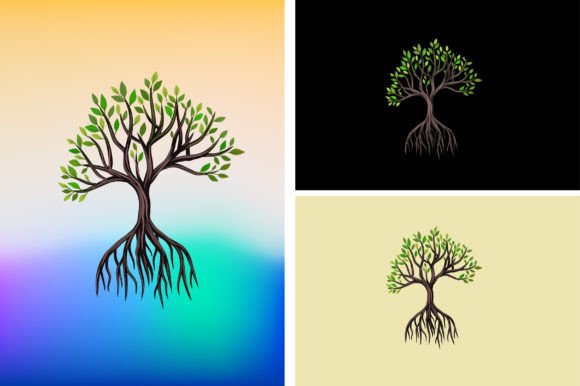
As a designer who regularly works on branding, packaging, and marketing visuals, I always look for high-quality design assets that can elevate a project without overshadowing the message. Mangrove, a mangrove tree logo design template in circular shapes, caught my attention as a potential tool for a new handmade business client. The first impression is one of organic elegance—its clean lines and natural motifs suggest a connection to nature, sustainability, and artisanal craftsmanship.
The Mood and Style of Mangrove
Mangrove exudes a calm, earthy vibe. The circular format gives it a sense of balance and harmony, making it ideal for brands that want to convey stability, growth, or environmental awareness. Its minimalist approach allows it to blend seamlessly into a variety of creative designs, from logos to print-on-demand products. This makes it a versatile graphic design asset for small business branding or seasonal campaigns.
The illustration style is subtle yet distinctive. It doesn’t demand attention but adds visual interest when placed thoughtfully. For a client launching an eco-friendly product line, this could serve as a strong foundation for a cohesive brand identity. It also pairs well with other design elements, allowing for flexibility in editorial design or web design projects.
Real-World Applications of Mangrove
In real design situations, Mangrove shines as a supporting element rather than a focal point. It works well in logo design, especially for businesses with a nature-inspired theme. When used in packaging design, it can add a touch of sophistication without complicating the visual hierarchy. For a client selling handmade candles or organic skincare products, Mangrove could be an effective addition to product labels or promotional materials.
It also excels in social media graphics and digital ads. As a Canva template or Instagram post element, it can enhance the aesthetic of a campaign without overwhelming the content. In t-shirt design or mug art, its circular shape allows for easy placement and customization. For a Cricut project or sticker design, the SVG design ensures precision and scalability across different mediums.
When integrated into a design bundle, Mangrove can complement other illustrations or clipart, creating a unified visual language. It’s particularly useful for printable design or sublimation design projects where consistency and quality are key. Whether used in a blog visual or a Pinterest pin, it maintains a professional appearance while supporting the overall creative direction.
Where Mangrove Excels
Mangrove performs best in large layout areas, such as hero graphics or product mockups. Its circular form makes it a great decorative accent for themed collections or campaign visuals. In packaging details, it can subtly reinforce a brand’s identity without competing with text or other elements. For a website graphic or editorial design piece, it adds a refined touch that enhances the overall mood.
It’s also valuable for printable designs, like wall art or stationery. When used in a commercial design or Etsy product, it can elevate the perceived value of a digital product. As a part of a larger design asset collection, it contributes to a cohesive visual system that supports both aesthetics and functionality.
Where to Use Carefully
While Mangrove is visually appealing, it may not be the best choice for every project. In small sizes, the details can become lost, making it less effective as a standalone element. In crowded layouts or complex backgrounds, it might get drowned out by other design components. For minimalist branding or professional corporate materials, its organic feel could clash with a more rigid or modern design approach.
Low-contrast designs may also struggle to showcase Mangrove’s full potential. If placed on a dark background, the subtlety of the illustration might not translate well. Designers should test it on both light and dark themes to ensure visibility and impact. Similarly, when used in a very clean visual hierarchy, it may need additional styling to stand out effectively.
Impact on Branding and Design Quality
Mangrove contributes to a stronger visual identity by reinforcing a brand’s message through its natural, organic aesthetic. It helps build trust and recognition, especially for businesses targeting eco-conscious or handmade audiences. Its presence in marketing visuals or packaging design can increase emotional appeal and audience engagement.
For a small business owner or digital seller, using Mangrove can make a design project feel more polished and professional. It supports brand consistency across multiple platforms, whether in print-on-demand products or social media graphics. When combined with other design assets, it creates a more cohesive and memorable brand experience.
Practical Designer Notes
Before using Mangrove for a client project, I recommend testing it in black and white to assess its effectiveness without color. Check how it looks on different backgrounds and preview it at various sizes to ensure clarity. Place it on real mockups to see how it interacts with other design elements.
Review the file formats carefully. If it includes PNG design or SVG design, confirm that the transparency is properly handled and that the vector files are editable. Compare it with different font styles—serif, sans serif, script, or display fonts—to find the best pairing for the project.
Finally, always verify the commercial license to ensure it’s suitable for the intended use. For a client project, this step is crucial to avoid any legal issues down the line. With proper consideration, Mangrove can be a valuable addition to a designer’s toolkit, offering both aesthetic and functional benefits.