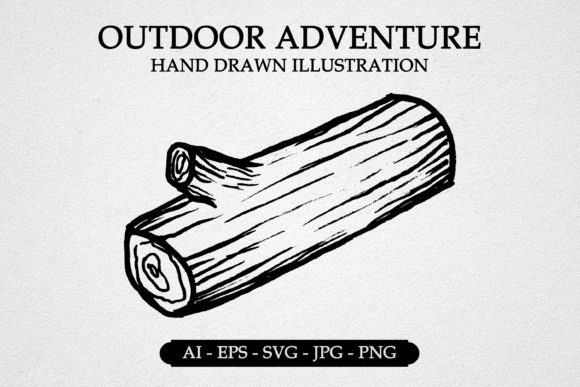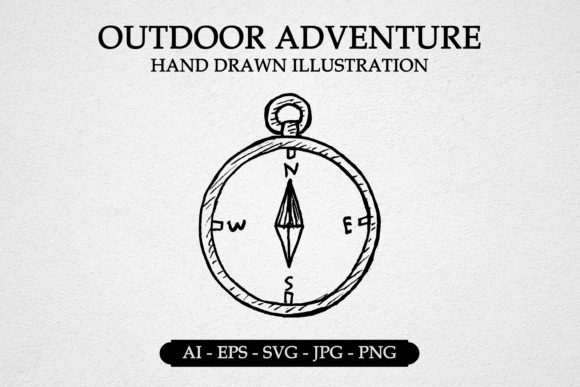
Compass Outdoor Adventure Graphics
As a designer who regularly works on branding, packaging, and marketing visuals for small businesses and handmade brands, I often look for design assets that can elevate a project without overpowering it. Compass Outdoor Adventure Elements caught my attention with its hand-drawn style and versatile application. These illustrations are more than just decorative elements—they’re a creative tool that can bring a sense of adventure and authenticity to a wide range of projects.
First Impressions: A Mood of Exploration and Craftsmanship
The first thing I noticed about Compass Outdoor Adventure Elements is the mood they evoke. The hand-drawn illustrations feel organic, almost like they were sketched from life. There’s a warmth and imperfection that makes them feel human, which is perfect for brands aiming to connect with audiences on a personal level. This style fits well with handmade businesses, boutique product lines, or seasonal campaigns that want to feel authentic rather than mass-produced.
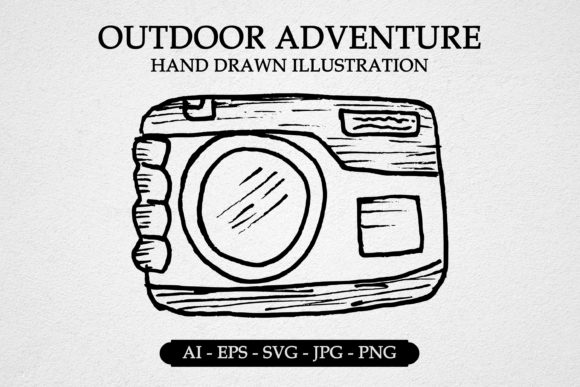
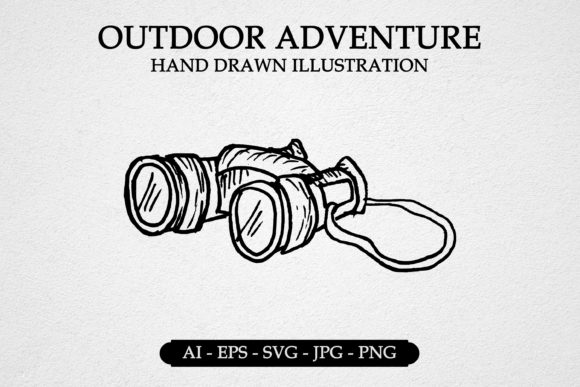
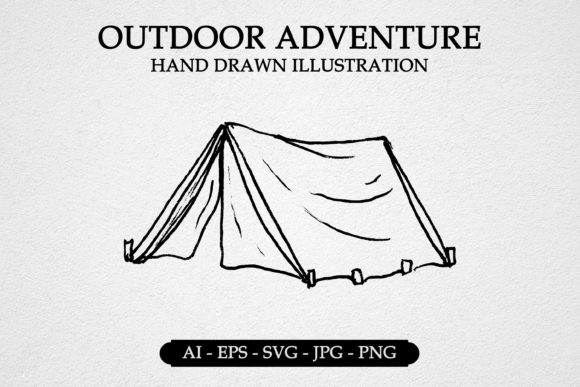
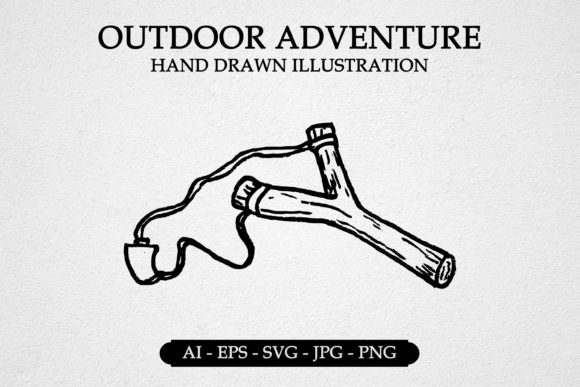
These illustrations lean into a rustic, nature-inspired aesthetic. Think hiking trails, compasses, tents, trees, and animals—each element has a subtle charm that feels both nostalgic and modern. It’s the kind of visual language that works well for outdoor gear, travel-related products, or any brand that wants to convey a sense of discovery and freedom.
Real-World Design Applications
Compass Outdoor Adventure Elements shines in a variety of real-world design scenarios. For logo design, the illustrations can serve as a focal point or a supporting element, adding depth and character without competing with typography. In brand identity work, these graphics can be used across multiple touchpoints—from business cards to social media profiles—helping to create a cohesive visual language.
When it comes to packaging design, these illustrations add a unique flair that can differentiate a product on the shelf. They work especially well for eco-friendly or artisanal brands looking to stand out. In posters, flyers, and invitations, the hand-drawn style adds a personal touch that can make a campaign feel more engaging and relatable.
For merchandise like t-shirts, mugs, and tote bags, these graphics provide a strong visual anchor. They also work well in sticker design and Cricut projects, where the simplicity of the illustrations allows for easy customization and scalability. Whether you're designing for an Etsy product or a print-on-demand store, these elements offer a ready-made solution that can save time while maintaining quality.
Best Use Cases: Where It Truly Excels
Compass Outdoor Adventure Elements excels in large layout areas, hero graphics, and product mockups. Their bold yet delicate lines make them ideal for creating a visual hierarchy that draws the eye without overwhelming the design. They also work well as decorative accents in themed collections, helping to tie together different elements of a campaign or product line.
In social media graphics and web design, these illustrations can be used to break up text, add visual interest, and reinforce a brand’s story. They’re also great for editorial design, where their storytelling potential can enhance the narrative of a publication or blog post.
Use With Caution: When It May Not Fit
While these illustrations are versatile, there are situations where they may not be the best choice. In small sizes, the details can become lost, making the design less effective. Similarly, in crowded layouts or complex backgrounds, the illustrations may get drowned out or appear cluttered.
For minimalist branding or professional corporate materials, the hand-drawn style might not align with the desired tone. Projects that require a very clean visual hierarchy may benefit from more structured design elements rather than the organic feel of these illustrations.
Impact on Design Quality and Brand Perception
Using Compass Outdoor Adventure Elements can significantly impact the readability and overall impression of a design. When placed thoughtfully, these illustrations can enhance visual trust and recognition, helping a brand stand out in a competitive market. They also contribute to emotional appeal, making designs more relatable and memorable for the audience.
From a technical standpoint, it’s important to test these graphics in black and white to ensure they maintain their visual impact. Checking contrast on light and dark backgrounds is also crucial, especially if the design will be used in digital ads or social media posts. Previewing the illustrations at different sizes helps identify any issues with clarity or detail loss.
Practical Designer Notes
Before using Compass Outdoor Adventure Elements for a client project, I recommend testing it in various formats. If the asset includes PNG or SVG files, inspect the transparency and editability to ensure it meets your needs. Comparing the illustrations with different font styles can help determine how they interact with text and other design elements.
For commercial use, always confirm the licensing terms. Many design bundles include a commercial license, but it’s essential to verify this before using the asset for a client or business project. Whether you're working on a Canva template, a Cricut project, or a product mockup, these illustrations can add value—but only if they’re used correctly.
Final Thoughts: A Useful Addition to Any Creative Toolbox
Compass Outdoor Adventure Elements is a graphic design asset that offers both aesthetic appeal and practical functionality. Its hand-drawn style makes it ideal for small business branding, handmade products, and creative marketplace projects. Whether you're designing for an Etsy shop, a seasonal campaign, or a print-on-demand store, these illustrations can help elevate your work and create a more polished final result.
As a designer, I appreciate assets that are both beautiful and functional. Compass Outdoor Adventure Elements checks both boxes, making it a valuable addition to any creative toolkit. Just remember to use it wisely, test it thoroughly, and always consider the context of the project before incorporating it into your design work.