Botanical Elements: Graphics for Real Business Use
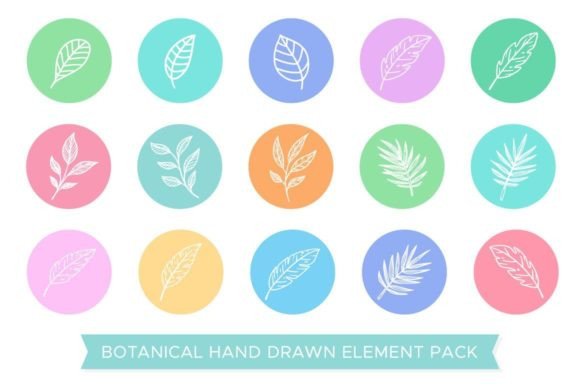
As a brand designer, I often look for graphic design assets that can elevate a small business’s visual identity without overwhelming it. Botanical Elements offers a collection of hand-drawn vector illustrations that feel both authentic and professional. The 15 items included are versatile enough to support a range of local business branding needs, from product packaging to social media graphics.
The First Impression: Natural, Elegant, and Approachable
Botanical Elements immediately evokes a sense of nature and craftsmanship. The hand-drawn style feels organic and warm, making it ideal for businesses that want to convey a handmade or eco-friendly personality. It leans toward the feminine and soft side of design, with a subtle elegance that can work in both rustic and modern settings. This makes it a great fit for a boutique, a skincare brand, or a coffee shop looking to create a welcoming brand identity.
The illustrations suggest a brand that values quality, simplicity, and a connection to the natural world. They can help build trust with customers who appreciate authenticity and thoughtful design.
Real-World Applications for Local Businesses
Botanical Elements is more than just an illustration—it’s a tool that can be used across multiple touchpoints. For a bakery or a handmade soap business, these elements can serve as decorative accents on product labels, packaging, or even in-store signage. When used in logo design, they can add a unique, personal touch that differentiates a brand from competitors.
For a food business, these illustrations can enhance menu graphics, price lists, and promotional flyers. They also work well in social media graphics, where visual appeal is key. As a packaging design element, Botanical Elements can make a product stand out on the shelf, especially when paired with clean typography and a cohesive color scheme.
They’re also useful for printable design projects like thank-you cards, stickers, or seasonal campaign visuals. Whether you're creating a holiday promotion or a limited-edition product line, these illustrations offer a consistent and professional look that aligns with your brand’s voice.
Supporting Stronger Brand Identity and Customer Trust
A well-chosen graphic design asset can significantly impact how a brand is perceived. Botanical Elements helps create a stronger first impression by adding visual interest without clutter. It supports better product recognition, especially when used consistently across packaging, labels, and marketing materials.
When integrated into a brand’s visual hierarchy, these illustrations can guide the viewer’s eye and reinforce key messages. They also contribute to a more polished and professional appearance, which is crucial for small businesses aiming to build customer trust.
For a handmade business or a local store, having a cohesive brand identity is essential. Botanical Elements provides the right balance of creativity and structure, ensuring that every visual element aligns with the brand’s overall message.
Where Botanical Elements Shines
Botanical Elements works best in situations where a natural, artistic flair is desired. Product labels benefit from its soft, flowing lines, while packaging design can use it as an accent to add visual depth. Hero graphics on websites or social media campaigns can leverage its elegance to draw attention and evoke emotion.
It also shines in seasonal packaging, such as holiday-themed designs or summer promotions. As a decorative brand element, it can be used in background textures or border designs. In a product mockup, it adds a layer of authenticity that enhances the overall presentation.
For a boutique or a home decor shop, these illustrations can be part of a larger editorial design that tells a story. They also work well in social media campaign graphics, where they can complement text and other visual elements to create a compelling narrative.
Where to Use with Caution
While Botanical Elements is versatile, it may not be suitable for every design project. In formal corporate branding, where minimalism and clarity are key, these illustrations could appear too busy or distracting. Similarly, they may not work well on very small labels where detail is lost.
In crowded product packaging or layouts with a lot of text, Botanical Elements might compete with important information. It should also be avoided in areas where legal details or ingredient lists are required, as it could reduce readability.
On low-contrast backgrounds, the illustrations may not stand out as intended. For luxury minimalist brands, where simplicity is paramount, Botanical Elements could feel excessive. Always test it in the context of your design to ensure it complements rather than overwhelms.
Practical Designer Notes
Before finalizing any design, I recommend testing Botanical Elements on real packaging mockups. Check how it looks in black and white to ensure it still holds visual interest. Preview it on small labels to see if the details remain clear at reduced sizes.
Test it with your brand colors to ensure it integrates smoothly. Compare it with competitor packaging to maintain a unique visual identity. Review print quality, especially for PNG 300dpi and JPEG files, to avoid any unexpected results.
Inspect SVG or vector files for editability, and test them beside different font styles—serif, sans serif, script, handwritten, and display fonts—to find the best pairing. Always confirm commercial licensing before using it for client work or physical product sales.
Botanical Elements is a valuable addition to any creative marketplace collection. Its hand-drawn style and variety of formats make it a flexible tool for small business branding, product packaging, and promotional visuals. Whether you're designing for a local coffee shop or a handmade soap business, this graphic design asset can help bring your vision to life with authenticity and professionalism.